Request a Consult | 703-553-1099
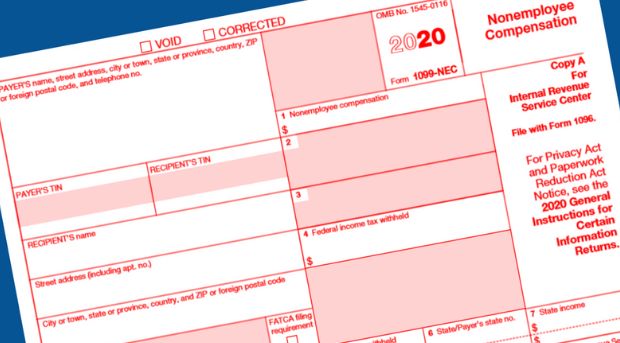
As businesses look for greater workforce flexibility, many are turning to 1099 contractors to meet their staffing and operational needs.
Being a contractor can allow you to use more tax and financial planning strategies than being a W-2 employee, as well as the opportunity to grow into a larger contracting entity.
In this comprehensive webinar, we will be discussing how to set yourself up as a 1099 contractor, tax deduction strategies, extra financial planning tools available to contractors, and open Q&A to answer your questions and more.
Other specific topics include:
Webinar Presenters:
Matthew Grieb, CFP is a financial advisor with Raymond James Financial Planning. He specializes in working with small business owners and government contractors to assist with retirement planning, estate planning, insurance and investment management and more. He holds the Series 7 and Series 66 licenses, as well as life, health, and variable insurance licenses and is a graduate of Catholic University where he was a four-year starter for the Cardinal’s baseball team.
Brian Wendroff, CPA, CGMA is the managing partner at Wendroff & Associates, CPA. He is an Army Veteran and has more than 20 years accounting and business management experience, specializing in Small Business Accounting, Government Contracting and NonProfit Accounting. WendroffCPA was chosen as a top workplace by Helios in 2016 and as the top CPA firm by Arlingtonian Magazine in 2019. Brian was chosen as a best CPA by the Washingtonian Magazine in 2017.
The following is the webinar recap and resources.
Yes, this is one of the most important things you can do. You should get a separate bank account and credit card just for your business, so you can keep all your expenses and revenue transactions in one place for easier year end bookkeeping. The IRS also requires that you do not co-mingle business and personal transactions.
Generally this is recommended for several reasons. First getting an LLC provides legal protection in case you were ever sued as a contractor. With an LLC only the business entity can be sued, not you personally. An LLC will also allow you to more effectively pursue the S Corporation strategy, as it will allow you to file a late election after tax planning determines that the S Corp is the best tax structure. You can use revenue to reduce your self employment tax from the entire time you were an LLC versus just when you filed the late election.
An LLC is just a legal structure. Being an S Corporation or Single Member LLC is how you report yourself for tax purposes. There are advantages to each, but we generally do not recommend considering the SCorporation status unless you make more than $120k/year because the benefits may not be substantial yet.
An S Corporation is a
Should I get business insurance?
It depends on which is better for you. If you feel you may be growing your contracting business, it would be helpful to develop a relationship with an attorney for advice, contracts and other work.
If you will be a sole practitioner and are comfortable using online tools, it’s not too hard to create your own LLC.
We like www.legalzoom.com and www.swyftfilings.com to create an LLC.
You can deduct them as business expenses if you make the payments directly from your account. If these are paid for by your former employee as a benefit, you cannot deduct them as a business expense.
If you are a Schedule C filer, you will not need to set up payroll for yourself. If you are an SCorporation, you will need to do payroll and pay yourself a reasonable salary, generally 40% to 50% of your net revenue.
If you are computer savvy Gusto (www.gusto.com) is a great option for self administered payroll. Otherwise we like Paychex, which is very turn key, and they are excellent business advisors.
Payroll is very tricky, so make sure you are comfortable with whichever partner you work with because payroll penalties are the most severe tax penalties if done incorrectly.
Is our health insurance deductable for our family and our selves?
How are federal, state and social security taxes paid for during the year?
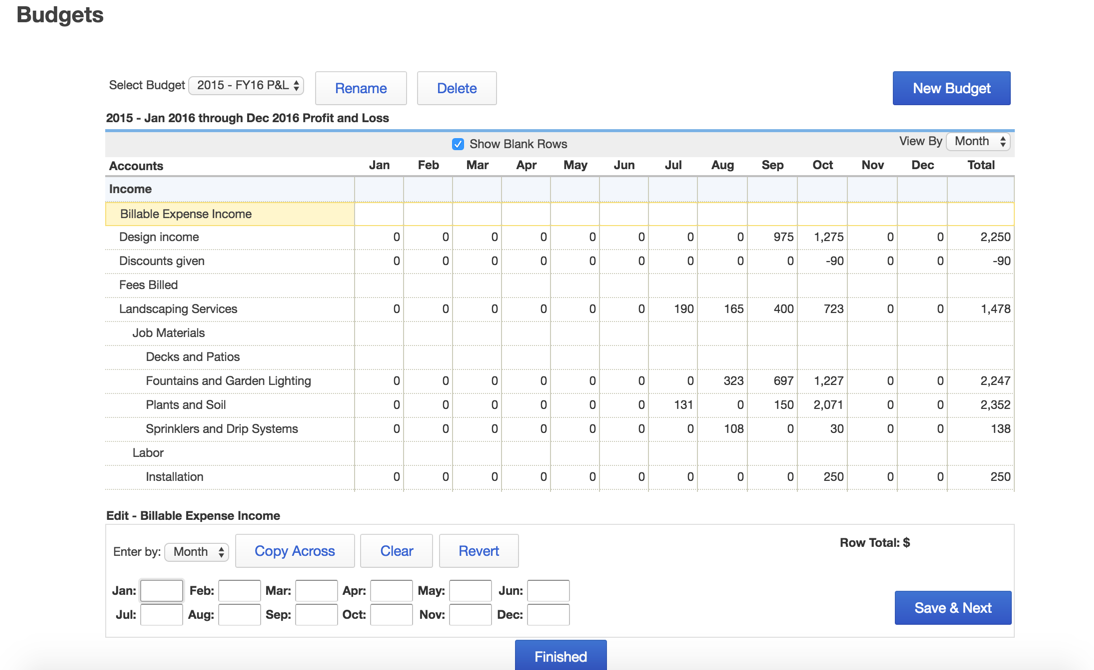
Should I get QuickBooks? What’s the bet way for me to do record keeping?
What are the retirement options for a self employed contractor?