Request a Consult | 703-553-1099

QuickBooks Online provides powerful job cost accounting features that help you efficiently track project costs. You can use QuickBooks Online to perform job costing by creating classes. This allows government contractors and professional services businesses to effectively track costs by assigning transactions, such as labor, materials, and overhead, to specific jobs or projects. It enables detailed reporting, providing insights into the profitability of each job.
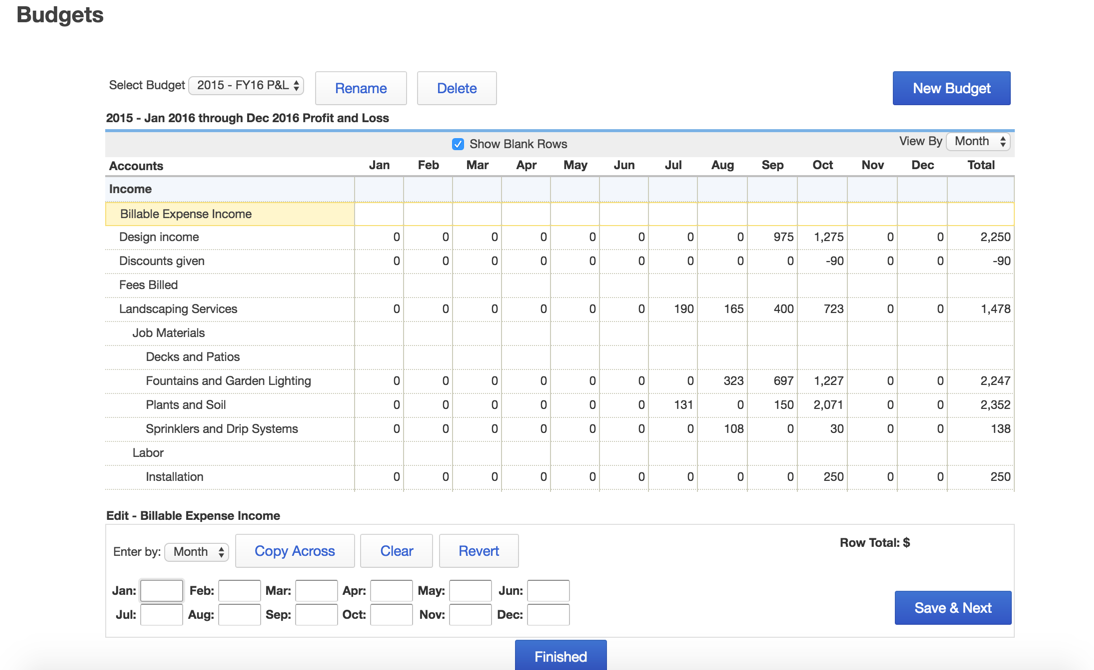
Companies can compare job performance, manage budgets in real-time, and ensure projects stay on track financially. This simplifies billing by accurately assigning costs and enhances decision-making by identifying the most profitable projects.
Overall, QuickBooks classes offer better financial control and clarity, making job costing more efficient and effective.
If you need guidance on setting up job cost accounting processes for your business, contact us today using the FREE CONSULT button below.
Job cost accounting is a valuable method for tracking expenses tied to specific projects. It breaks down costs—like labor, materials and overhead—so you can accurately price your services and maintain profitability. Connecting these costs directly to each project gives you a clear view of where your money goes.
Government contractors and various professional services businesses—such as architecture and engineering, software development, marketing agencies, and construction firms, as well as nonprofits—frequently employ job cost accounting. If your business deals with customized services or variable projects, job cost accounting can help you proactively stay on top of your financials.
Understand Profitability: Job cost accounting helps you track each project’s costs—labor, materials, and overhead—so you can see which projects are truly profitable. This insight is crucial for evaluating project success and making informed decisions about future work.
Compare with Estimates: Job cost accounting reveals how accurately you priced your projects by comparing actual costs to initial estimates. This comparison helps refine your pricing strategies, ensuring you cover costs and improve profitability.
Spot Inefficiencies: Job cost accounting highlights areas where you might overspend or misallocate resources. Identifying these inefficiencies allows you to streamline operations, optimize resource use, and enhance future project planning.
Enhanced Budget Management: With detailed financial insights into each project, job cost accounting makes it easier to manage your budget effectively. You can track and control spending more precisely, ensuring that projects stay within financial limits.
Increased Accuracy: By assigning costs accurately to specific jobs, job cost accounting reduces discrepancies in your financial reporting. This precision helps you maintain a clear view of project finances. It makes forecasts more predictable.
Improved Pricing Strategies: Understanding your true costs better allows for more competitive pricing. Job cost accounting enables you to adjust your pricing strategies based on actual financial data, boosting your profitability.
Strategic Financial Insights: Gain insights into which projects are thriving and which need more focus. Job cost accounting helps you allocate resources more effectively, ensuring you invest in the most promising opportunities.
Let’s say you’re a government contractor building a new training facility for a federal agency. Here’s how job costing works:
Implementing job cost accounting can significantly enhance the management and success of projects for government contractors and professional service providers. Tools like QuickBooks simplify job cost tracking and help businesses make informed decisions for growth and profitability.
At Wendroff & Associates, CPA, we specialize in helping clients adopt effective job cost accounting practices tailored to their business needs. Hit the Free Consult button below to discuss how we may help you.