Request a Consult | 703-553-1099

Entrepreneurs should view financial reports as decision-making tools, rather than burdensome paperwork. A P&L reveals whether growth is profitable, budgeting drives disciplined resource allocation, and forecasting turns data into strategy. Together, they move you from reacting to results to actively managing your business’s future.
At the end of this article, download our free Monthly P&L + Budget/Forecast Review Checklist to help you apply these principles in your own business.
As a small business owner, you already juggle sales, operations, marketing, and customer service. But when it comes time to apply for a loan, talk with investors, or simply explain how your business is performing, you’ll be expected to speak knowledgeably about your financials. That confidence comes from knowing how to read and use your reports.
Entrepreneurs who review their profit and loss (P&L) statement and participate in regular budgeting and forecasting can identify trends before they become problems and make proactive decisions about growth and cost control. Those who don’t understand their financial reports risk being caught off guard by cash shortages, runaway expenses, or missed growth opportunities.
At Wendroff & Associates, we work with hundreds of small business owners to help them prepare and learn how to interpret their financial reports. This article serves as a starting point for understanding your P&L, utilizing budgeting and forecasting effectively, and gaining insights to help you run a stronger, more profitable company.
A profit and loss statement (also called an income statement) summarizes your revenue, expenses, and profit (or loss) over a specific period of time. It shows:
Think of your P&L as a report card for your business’s financial health. Reviewing it regularly helps you identify where profits are coming from, whether costs are under control, and whether the business is sustainable.
Wendroff Pro Tip: Even profitable businesses can fail if they don’t manage cash flow. Pair your P&L review with a look at your cash position to ensure you can fund operations while waiting for receivables to come in.
When new business owners review their P&L, three questions should be top of mind:
When you look at your P&L (we recommend doing this monthly), follow these steps:
Wendroff Pro Tip: Many new owners only look at their P&L at tax time. A monthly (or even quarterly) review is critical to staying ahead of issues.
Your P&L shows you what has already happened. Budgeting and forecasting help you plan for what’s next.
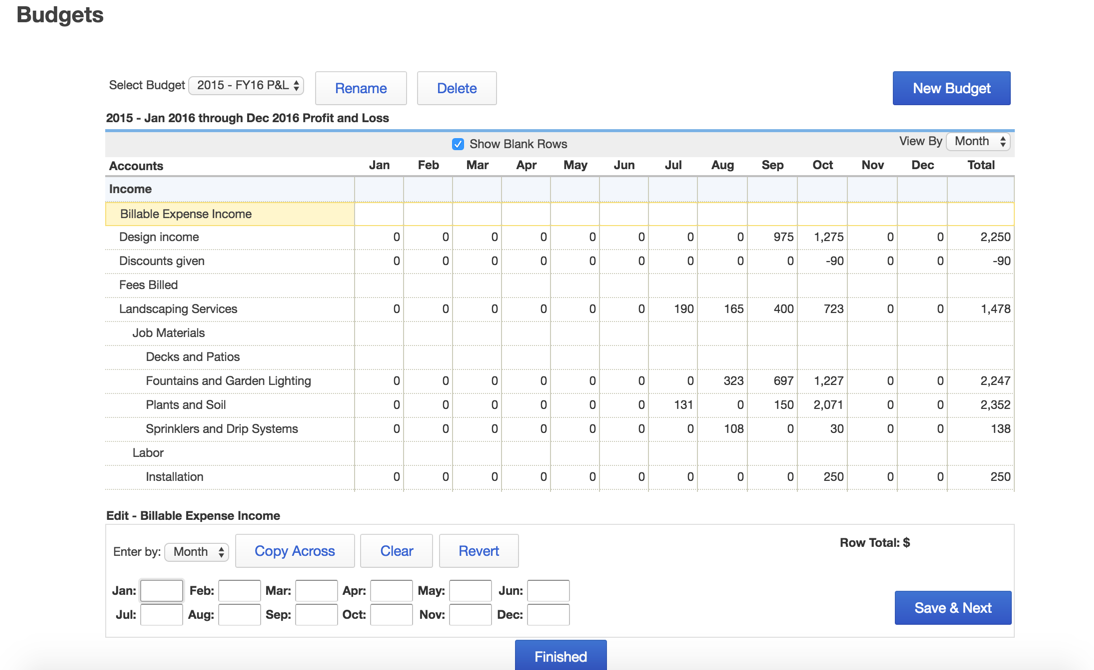
A budget projects what you expect to earn and spend over a set period, usually a year. For new business owners, it’s a proactive tool that:
Wendroff Pro Tip: Don’t treat your budget as static. Revisit it quarterly to adjust for changes in sales, expenses, or external conditions.
Forecasting takes budgeting a step further by projecting future revenue, expenses, and cash flow based on trends and assumptions. Unlike a budget, which is planned at the start of the year, a forecast is updated throughout the year.
Forecasting helps you anticipate slow seasons, plan for upcoming investments, and avoid surprises that could disrupt operations.
Wendroff Pro Tip: Overly optimistic forecasts can be just as harmful as failing to forecast at all. Stress-test your assumptions with worst-case scenarios so you’re prepared.
Here’s an example of how these tools work together for a new business owner:
This ongoing cycle – review, adjust, forecast – creates a proactive financial strategy rather than reacting to surprises.
Stay on top of your financials with our easy-to-use checklist designed for small business owners. Each month, track key metrics, compare budget vs. actuals, and make data-driven decisions.
For new business owners, learning how to interpret financial tools like the P&L, budgeting, and forecasting is a critical skill. Partnering with an experienced CPA firm gives you the insight and analysis to make smarter decisions, plan strategically, and grow your business. Contact our team using the FREE Consult button below to discuss how we can help you put these tools to work in building a stronger, more profitable business.
Looking for a practical way to apply these steps? Download our free Monthly P&L + Budget/Forecast Review Checklist to guide your monthly financial review process.