Request a Consult | 703-553-1099
If you’re a business owner in Maryland, it’s important to understand your state tax obligations—including the Business Personal Property Tax (BPPT).
Administered by the Maryland Department of Assessments and Taxation (SDAT), BPPT is a tax on the tangible personal property your business owns, such as equipment, furniture, and supplies. The SDAT uses depreciation schedules to calculate the current taxable value of these items.
Here is an overview of BPPT in Maryland, including who must file, key deadlines, how to remain in good standing with the state, and links to helpful resources.
Filing requirements depend on your business type:
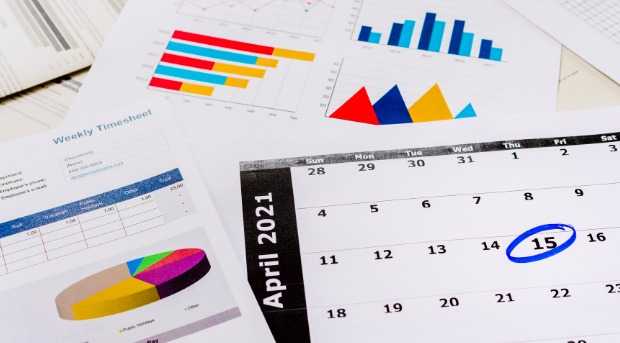
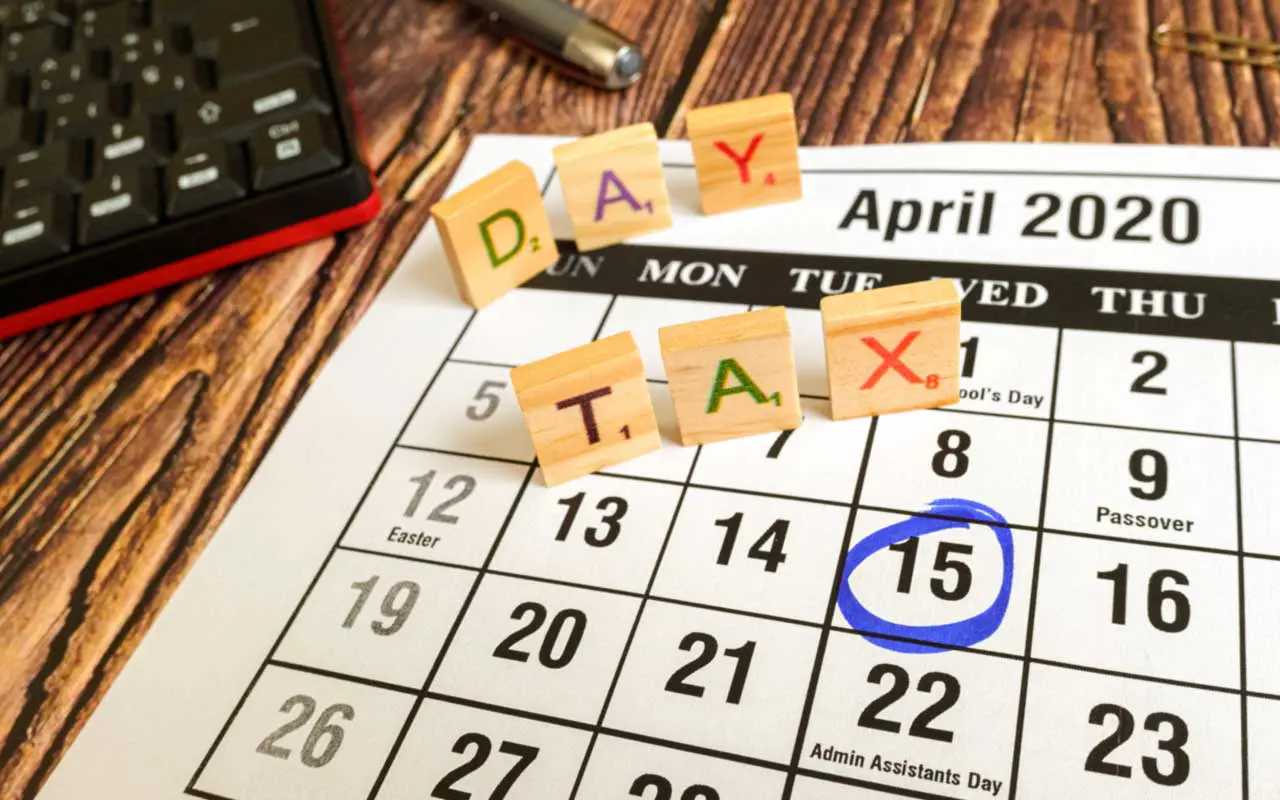
The deadline to file both Form 1 and Form 2 is April 15 each year.
You can request a filing extension through Maryland Business Express, but the Annual Report filing fee is still due on April 15, even if an extension is granted for the personal property return.
If approved, the Annual Report and Personal Property Tax Return must be received by SDAT no later than June 15 (or June 16th if the date falls on a Sunday).
Maryland BPPT is based on the original cost of your business property and calculated using a depreciation schedule provided by SDAT. After the assessment, your county or municipality applies a tax rate to the depreciated value.
Tax rates vary by jurisdiction. For example, Baltimore City, Montgomery County, and Prince George’s County each have their own personal property tax rates and exemptions.
Filing your BPPT return accurately and on time is essential for maintaining compliance and avoiding unnecessary costs. If you fail to file, the Maryland Department of Assessments and Taxation may estimate your property’s value—often resulting in a higher tax liability than necessary. Additionally, your business could fall out of good standing with the state, which may prevent you from renewing essential business licenses. Late filings can also trigger penalties and interest, adding to your financial burden.
Our team helps businesses across Maryland accurately complete and file their BPPT returns—saving time, reducing tax burdens, and ensuring compliance with SDAT.
Contact us today using the FREE CONSULT if your business needs help.