Request a Consult | 703-553-1099

A good rule of thumb is to set aside around 30% of your gross income for taxes—approximately 25% for the IRS and 5% for state taxes. Estimated taxes are essential for covering income not subject to withholding, like self-employment income, RSUs, stock options, or bonuses. Paying quarterly ensures compliance with IRS requirements, helps you avoid penalties, and prevents unexpected tax bills during filing season.
Whether you’re a business owner juggling multiple responsibilities or a W-2 employee with supplemental income, knowing when and why to pay estimated taxes can save you time, money, and stress.
Understanding this component of the U.S. tax system is important—quarterly payments are designed to keep your tax obligations on track and help you avoid surprises come tax season.
Estimated taxes are quarterly payments made in April (Q1), June (Q2), September (Q3), and the following January (Q4) to cover income not subject to withholding. These payments typically include federal income tax, self-employment tax, and alternative minimum tax (AMT).
You may need to pay estimated taxes if you receive taxable income without tax withholding, such as:
The IRS requires estimated tax payments if you expect to owe at least $1,000 after accounting for withholding and refundable credits and if your withholding doesn’t cover 90% of your current year’s tax liability or 100% of your prior year’s tax liability (110% if your adjusted gross income (AGI) exceeds $150,000).
For example, if you earned $300,000 this year but only $175,000 last year, you wouldn’t face penalties if you paid 110% of the income tax on $175,000 from the prior year. However, while this meets the IRS’s “safe harbor” for estimated tax payments, you’ll still need to pay the remaining balance when filing your taxes.
In most cases, W-2 employees do not need to pay estimated taxes. Taxes for W-2 workers are typically withheld from each paycheck by their employer and sent directly to the IRS. However, there are exceptions:
How to Check If You’re Covered:
Review your year-to-date income and compare it to the tax withheld on your pay stubs. Consulting with our team can help determine if you need to act.
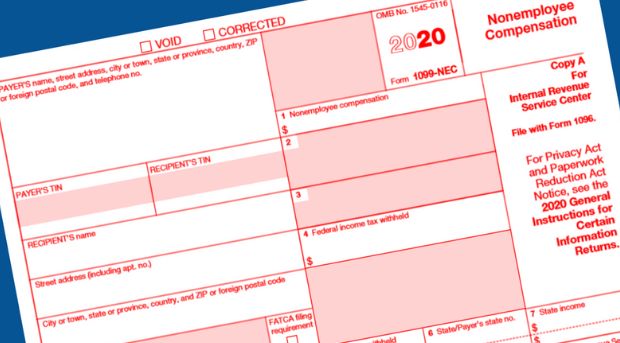
For business owners, the rules surrounding estimated taxes are different. Since businesses often don’t have tax withholding mechanisms like W-2 employees, it becomes the owner’s responsibility to pay taxes on:
Failing to pay these taxes quarterly can result in penalties, even if you file your annual tax return on time.
Missing or underpaying your estimated taxes can lead to:
At Wendroff & Associates, we typically calculate estimated tax payments using the “Safe Harbor” method. This method involves paying 100% of last year’s tax liability (or 110% if your Adjusted Gross Income (AGI) was over $150,000). This method ensures compliance, especially if your income or withholding is uncertain.
However, if you believe your withholding will cover at least 90% of your current year’s tax liability, you may not need to make these estimated payments. Even with an increase in income, as long as your withholding is sufficient to meet the 100% (or 110% if AGI is over $150,000) or 90% threshold, you should avoid penalties.
Whether you’re a W-2 employee with supplemental income or a business owner managing self-employment taxes, Wendroff & Associates can guide you through the complexities of estimated taxes. Use the FREE CONSULT button below to talk to our team and ensure your tax payments are timely, accurate, and stress-free.