Request a Consult | 703-553-1099
As 2025 comes to a close, now is the ideal time to review your finances, evaluate tax planning opportunities, and make strategic moves that can reduce your 2025 tax bill. Our year-end tax tips and strategies use the final weeks of the year to strengthen your financial position, optimize deductions, and take advantage of new OBBBA tax law changes that apply for 2025.
For business owners, this planning can influence profitability, cash flow, payroll decisions, and next year’s financial outlook. Individuals can also benefit by reviewing deductions, credits, investment strategies, retirement contributions, and charitable giving before December 31.
This guide outlines key IRS deadlines, new opportunities under the One Big Beautiful Bill Act (OBBBA), and the most effective year-end tax planning strategies for 2025 so you can make informed decisions now and prepare for a smoother, more efficient 2026 filing season with support from the Wendroff CPA team.
Understanding key tax deadlines is essential to avoid last-minute complications and ensure a more predictable filing experience. Mark these dates on your calendar as you plan your year-end tax strategy:
December 31, 2025
The deadline for completing most year-end tax planning moves for the 2025 tax year. Actions such as charitable contributions, income timing decisions, retirement contributions to employer-sponsored plans, and energy-efficient home improvements must be completed by this date to count for 2025.
January 15, 2026
Final estimated quarterly tax payment for the 2025 tax year is due for self-employed individuals, independent contractors, and anyone who pays quarterly estimates.
January 31, 2026
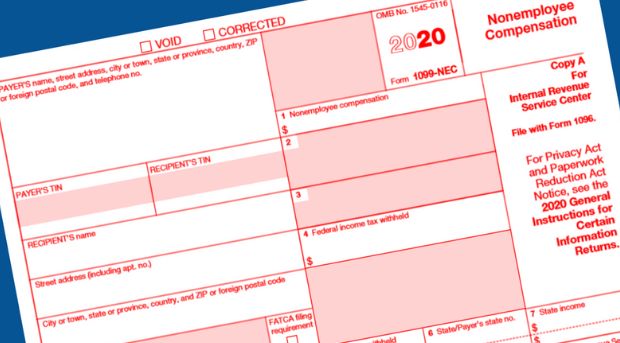
Businesses must file and distribute Forms W-2 and most 1099s to employees and contractors. This is also the deadline for filing these forms with the IRS and Social Security Administration.
March 16, 2026
Deadline for S corporations and partnerships to file 2025 business tax returns (or request an extension).
April 15, 2026
Deadline for individuals, C corporations, and most trusts and estates to file 2025 income tax returns (or request an extension). Also, the deadline for making 2025 IRA and HSA contributions.
The One Big Beautiful Bill Act (OBBBA) includes several updates that directly impact 2025 tax planning. Some of the most relevant changes for year-end tax strategy include the return of R&D expensing, enhanced bonus depreciation for qualifying assets placed in service, and expanded clean energy and clean vehicle credits.
These updates can influence decisions around equipment purchases, technology investments, and how you time certain expenses before December 31.For a full breakdown of all tax law changes under OBBBA – including updated Section 179 expensing limits, expanded Section 1202 stock exclusions, adjustments to business interest deductions, and other provisions – visit our in-depth guide: 2025 OBBBA Tax Law Changes.
Because OBBBA affects deductions, expensing rules, and several credit calculations beginning in 2025, many small businesses may need to revisit how they time income, expenses, and capital purchases before year-end. Evaluating these changes early can improve predictability and help avoid surprises when filing 2025 returns.
Understanding how these provisions apply to your business can be complex, particularly when analyzing the benefits of year-end investments or R&D activities. The Wendroff CPA team can help you model these scenarios and ensure you’re taking advantage of every available opportunity before December 31.
Proactive year-end planning can reduce your 2025 tax liability, strengthen your financial position, and create more predictable outcomes when filing your returns next spring.
Below are key strategies to consider as you close out the year.
1) Get Your Books and Financial Records in Order
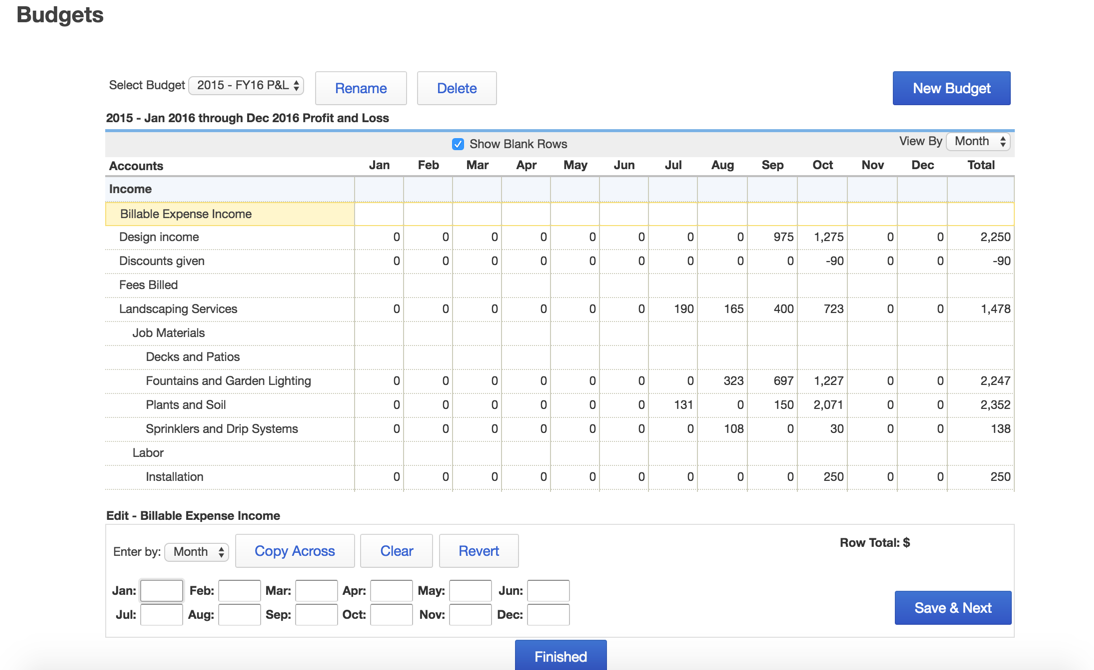
Accurate, up-to-date books are the foundation of effective tax planning. Before year-end, review bank and credit card reconciliations, properly categorize expenses, address any outstanding accounts payable or receivable, and review fixed asset purchases.
If you need help closing out your 2025 financials, the Wendroff CPA team can assist with bookkeeping cleanup, reconciliations, and year-end review.
2) Organize and Review Your 2025 Tax Documents
Start gathering all expected tax documents early, including W-2s, 1099s, Schedule K-1s, and financial statements. Businesses should also prepare payroll records, contractor payments, and year-end inventory counts. Early organization prevents delays once filing opens in January.
3) Evaluate the Timing of Income and Expenses
Depending on your accounting method and projected 2025 income, it may be advantageous to defer income into 2026 or accelerate expenses before December 31. Cash-basis businesses often benefit from prepaying certain expenses or making planned purchases early, while accrual-basis businesses may have different considerations.
If you’re unsure which approach offers the most benefit, our team can model both scenarios.
4) Maximize Charitable Contributions
Qualified charitable donations made by December 31 can reduce your taxable income. In addition to cash contributions, consider donating appreciated stock, using donor-advised funds, or making non-cash contributions such as clothing, equipment, or household items.
5) Bundle Itemized Deductions
For 2025, the standard deduction is expected to rise again due to inflation adjustments. If your total itemized deductions fall slightly below the standard deduction threshold, consider “bundling” deductions, such as charitable gifts or medical expenses, into a single year to maximize your tax benefit.
6) Leverage 2025 Energy and Clean Vehicle Credits
Updated rules for home energy improvements and clean vehicle purchases may provide valuable tax benefits in 2025. For homeowners, certain energy-efficient upgrades may qualify for credits. For businesses, clean commercial vehicles and certain energy-efficient properties may also offer savings.
If you’re considering an investment this year, review the eligibility rules and credit structure before making a final decision to ensure you capture the 2025 tax benefit. The Wendroff CPA team can help you assess your options and determine whether a year-end purchase aligns with your broader tax strategy.
7) Maximize Retirement Contributions (2025 Limits)
Contributing to retirement accounts is one of the most effective ways to reduce taxable income. While some contributions can be made up to April 15, employer-sponsored plans often require contributions by December 31 to count for the current year.
2025 limits include (based on available IRS information):
401(k) elective deferral: $23,500 (under 50)
Catch-up (age 50+): $7,500
IRA contribution: $7,000
Solo 401(k) total contribution limit: Up to $70,000 (under age 50)
SEP IRA: Up to $70,000 (under age 50)
SIMPLE IRA: $16,500 (under age 50)
Review your contribution levels before year-end to ensure you’re maximizing both tax and retirement benefits. Keep in mind that final contribution limits and catch-up amounts may depend on your specific plan and compensation. If you’re unsure how much you’re eligible to contribute, the Wendroff CPA team can help you review your options.
8) Review Business-Specific Year-End Strategies
Business owners should take time to review several tax factors unique to their entity structure, including compensation planning, equipment purchases, accounting methods, and inventory adjustments. Updated rules under OBBBA and existing small-business provisions may influence when you place assets in service, issue bonuses, or recognize certain expenses. Key areas to evaluate include:
If you’d like help reviewing these areas or modeling the tax impact, the Wendroff CPA team can walk you through each option.
9) Consider a Roth Conversion
If you expect to be in a higher tax bracket in the future, a Roth conversion may offer long-term tax benefits. Converting before December 31 allows you to pay tax on the converted amount now while growing those assets tax-free going forward. This strategy can be complex, and the Wendroff CPA team can help you determine whether a year-end conversion aligns with your broader financial situation.
10) Use Tax-Loss Harvesting to Offset Gains
Selling underperforming investments before year-end may allow you to offset capital gains realized elsewhere in your portfolio. If your losses exceed your gains, you can deduct up to $3,000 against ordinary income for most taxpayers and carry forward any additional losses to future years.
The final weeks of the year play a big role in creating a more predictable and efficient filing season. Year-end strategies and practical tax tips work best when implemented early, and taking action now can make a meaningful difference in your 2025 tax liability. If you’d like help reviewing your options or modeling the impact of any year-end decisions, the Wendroff CPA team can help you evaluate and prioritize the strategies with the greatest impact.
Schedule your free consultation today using the button below.