Request a Consult | 703-553-1099
The end of the year is fast approaching, and tax season is just over a month away! Getting organized now, understanding important tax dates, and proactively planning can set you up for a painless tax season in 2025.
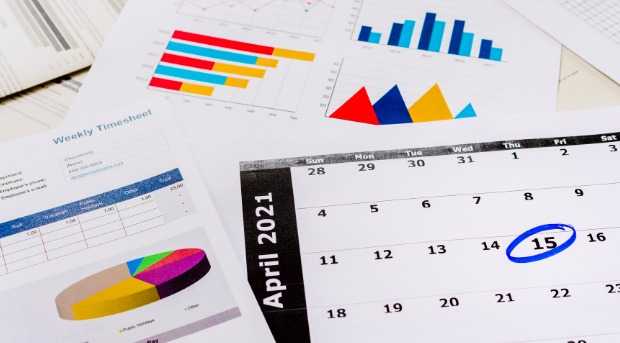
December 31, 2024
The final day to act on any of the tax moves mentioned below for 2024.
January 15, 2025
For those with self-employment income or who pay quarterly estimated taxes, the final estimated tax payment for 2024 is due.
A well-organized set of financial records is the foundation of a smooth and timely tax filing process. For businesses, this means ensuring all income, expenses, and deductions are properly documented and categorized. Accurate records reduce the risk of errors, ensure compliance, and maximize your deductions.
The Wendroff team is available to assist with bookkeeping, reconciling accounts, adjusting journal entries, cleaning up accounts payable and receivables, and other book-closing activities to ensure your records are accurate and up-to-date. Contact us as soon as possible for a year-end financial review and to set up a strategy that makes your tax season stress-free.
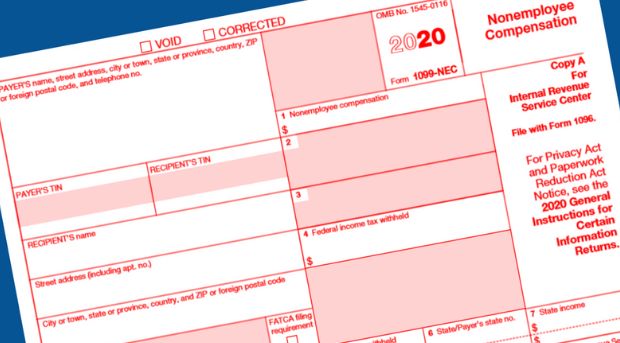
Ensure all your expected income documents are in order, including any W2s, 1099s, Schedule K-1s, or other income-related documents. Remember that most of these will be sent out at the start of 2025 for the 2024 tax year.
To reduce your tax liability, consider delaying receipt of additional income if you believe you’ll be in the same or a lower tax bracket in the following year.
Maximize your deductions by making additional donations to verified non-profit organizations before year-end. For 2024, you may opt for non-cash donations as well, such as stock or personal items like clothing and home goods, using fair market value. Be sure to keep receipts on file for any charitable donations.
Capitalizing on available deductions is a proven approach to reducing federal income tax liability. When employing this tax strategy for 2024, it’s important to determine whether itemizing deductions or taking the standard deduction will have the most significant impact on lowering your federal taxes.
For the 2024 tax year, the standard deduction amounts are as follows:
Opting for the standard deduction might be less complicated, but itemizing your deductions can potentially result in more significant tax savings. Remember, you must retain supporting documentation, such as receipts, bank statements, and medical bills, to substantiate your itemized deductions.
Examples of expenses eligible for itemizing deductions include:
To maximize itemized deductions, consider bundling certain expenses. For instance, instead of making an annual donation to a nonprofit organization, you might consolidate the donations into a 2-, 3-, or 5-year bundled payment. This larger, one-time bundled donation, coupled with other itemized deductions, might push you above the threshold for the standard deduction.
If you’ve made energy-efficient improvements to your home, you may qualify for Home Energy Tax Credits, including the Energy Efficient Home Improvement Credit and the Residential Clean Energy Credit.
For the Energy Efficient Home Improvement Credit, eligible expenses include doors, windows, insulation, HVAC systems, and more, with a 30% credit on costs. For 2023 through 2032, the credit is capped at $1,200 annually, with specific items like heat pumps eligible for up to $2,000 per year. This credit equals 30% of the costs for eligible clean energy property installed through 2032. While the credit is nonrefundable, unused amounts can be carried forward to reduce future tax liabilities.
The Residential Clean Energy Credit offers a 30% tax credit for the costs of installing qualified clean energy property on your home from 2022 through 2032. This credit applies to energy-saving improvements made to your main or secondary home in the United States, whether you own or rent. Eligible expenses include solar panels, solar water heaters, wind turbines, geothermal heat pumps, fuel cells, and battery storage technology (added in 2023). As a nonrefundable credit, the amount you claim cannot exceed your tax liability, but any unused credit can be carried forward to offset future taxes. The credit has no annual or lifetime dollar limits, except for limits on fuel cell property, and can be claimed each year you install qualifying property until it begins phasing out in 2033. This incentive encourages homeowners to adopt clean energy solutions while enjoying significant tax savings.
In addition to the qualified home energy improvements referenced above, the Inflation Reduction Act of 2022 provides individuals and businesses with several energy-related credits and deductions.
This includes clean vehicle credits, advanced manufacturing investment and production credits, clean electricity investment and production credits, clean hydrogen credits, research and development tax credits, and clean commercial vehicle credits, to name a few.
Contributing to retirement accounts before December 31 can lower your taxable income for 2024 while building long-term financial security. These contributions reduce your current year’s taxable income and allow your investments to grow tax-free or tax-deferred, compounding over time. For employees, making contributions by year-end ensures you maximize any employer-matching benefits. Proactive contributions also align with long-term financial goals, helping you to secure a stable future.
Retirement Programs and 2024 Contribution Limits
We recommend implementing a tax loss harvesting strategy for investments that didn’t improve your financial status by selling losing stocks, bonds, shares, or cryptocurrencies to offset capital gains made elsewhere. The IRS allows you to offset up to $3,000 in losses against your other income in a year when your capital losses outweigh gains. If losses surpass this limit, the excess can be carried forward to offset income in future tax years.